


- Resources
- Ingredient library
- Glutamine for Muscle Recovery and Gut Health: Why Athletes Are Doubling Down on This Amino Acid
Glutamine for Muscle Recovery and Gut Health: Why Athletes Are Doubling Down on This Amino Acid
Athletes have to train hard, and recovery is as crucial as training. Glutamine is an amino acid that's currently hot. Promoting muscle repair and smooth gut functioning. They can decrease rapidly during heavy exercise, which can hinder recovery and digestion.
That's why many athletes are focused on nutrition strategies that seek to restore balance. Glutamine is present in the muscle tissue and helps to resist daily physical stress. Its ability to aid recovery and gut health makes it a favored supplement for fitness enthusiasts seeking consistent performance and post-workout recovery assistance.
What Is Glutamine and Why Does Your Body Need It?
Glutamine is an amino acid that is naturally produced in the blood and muscles. It is a naturally occurring substance made by your body. When under stress or following heavy training, the demand is greater than normal. It promotes protein synthesis, immunity, and digestion. It also assists the cells to recover from exertion and to maintain internal systems in a stable condition during recovery.
Glutamine Levels Go Up During Physical Stress
The scientific literature from sports nutrition journals demonstrates that blood glutamine levels can be reduced by as much as 20–30% following intense training after endurance exercise. This drop is often linked to slower recovery and higher fatigue. It is also a good way to understand why athletes pay attention to recovery nutrition after long or repeated training sessions.
Role in Immune Function
Glutamine helps to maintain immune cells to support the body after training. A review published in Nutrients (MDPI) reveals that immune function can be compromised following extended exercise, while glutamine supports recovery of immune cell function. This support is crucial when the athlete trains several times a week.
Provides Energy for Rapidly Growing Cells
Glutamine is a fuel for Gut and Immune cells. A study in the American Journal of Clinical Nutrition indicates that the cells of the intestines rely heavily upon glutamine during times of stress. If there is not enough supply, the activity of the cells decreases, which could impact the digestion rate and nutrient processing of active individuals.

Glutamine and Muscle Recovery: What the Research Shows
The recovery of muscle depends on the repair of broken fibers from exercise. Glutamine with Digestive Enzymes can help with this process by aiding in the restoration of balance in muscle tissue. It also allows for the implementation of recovery systems that minimize fatigue and maintain consistency of training over time.
Muscle Repair and Recovery Is Faster
Research from sports science journals has demonstrated that amino acids are helpful in repairing tissues following exercise. A review published suggests that glutamine could be beneficial for muscle recovery after intense resistance training, as it helps maintain nitrogen balance and protein repair in muscle fibers.
Exercise Fatigue Reduction
Lower levels of glutamine are associated with increased fatigue during prolonged exercise. There is some evidence that balancing amino acids can help to enhance recovery between sessions. Glutamine support is often reported to give athletes more stable energy levels as part of their recovery nutrition.
Immunity Is Being Afforded During Training
After strenuous activity, athletes may have lowered immunity. Studies indicate that glutamine is beneficial to the activity of white blood cells during the recovery phase. This can help minimize downtime due to illness or overtraining, particularly in periods of heavy training or competition.
Hydration and Recovery of Cells
Glutamine helps maintain cell volume in muscles. This keeps the cells hydrated in the muscle after stress. Improved hydration helps to improve nutrient delivery and recovery, enabling athletes to return to training without the pain and fatigue of dehydration.
Endurance Performance Support
Amino acid depletion is greater in endurance athletes. Research indicates that glutamine can aid in stabilizing during extended exercise. This is useful for runners, cyclists, and swimmers to keep their energy and recovery rate up during long sessions.
The Gut Health Connection: Why Gut Function Matters for Gains
The health of the gut is important because it determines the absorption of nutrients and recovery from stress. One of the primary fuels used by the cells in the gut is called glutamine. It helps break down food, strengthen the gut lining, and enhances nutrient absorption following exercise.
Gut Lining Support
Research shows glutamine helps maintain the integrity of the intestinal wall. A healthy gut lining shields the gut from damage caused by stress and helps to support easier digestion when training is heavy or eating habits are inconsistent.
Nutrient Absorption Efficiency
Good gut cells will absorb nutrients better. Research has demonstrated that glutamine helps these cells during recovery periods. This improved absorption allows proteins, vitamins, and minerals to go directly to the muscles, where they can be used to repair and build energy.
Exercise-Related Gut Stress
Strenuous exercise can slow down digestion and bowel movement. Glutamine can decrease this stress and maintain normal digestive function. This is particularly important for endurance athletes who train for extended periods of time.
Improved Gut Inflammation Balance
Research indicates that glutamine could be useful for lowering inflammation in the digestive system under physical stress. Reduced inflammation with Complete Fiber equals increased comfort, easier digestion, and increased nutrient flow following heavy workouts.
Better Usage of Calories
Glutamine is an important source of energy for gut cells. This helps to keep the digestive system balanced when stressed. A consistent fuel supply leads to better digestion and better nutrient absorption with time.
When and How to Take Glutamine for Best Results
Glutamine works best when used consistently rather than randomly. Athletes often adjust intake based on training load, recovery needs, and daily diet. The goal is to keep amino acid levels steady so the body can repair muscle tissue and support digestion without interruptions during recovery phases.
Best Timing for Glutamine for Muscle Recovery after Training
Taking glutamine right after a workout helps support early recovery. Muscles are in a repair phase, and amino acids are needed quickly. Many athletes use 5–10 grams post-workout to support tissue repair and reduce soreness. This timing helps restore balance in the body after intense physical stress and supports consistent training performance over time.
Morning Use for Supporting L-Glutamine Benefits throughout the Day
Some athletes take glutamine and EAA + Hydration Aminos in the morning to maintain steady amino acid levels. This approach supports energy balance, immune health, and recovery from previous training sessions. Morning intake also helps prepare the body for upcoming physical stress. It works well when combined with hydration and a balanced breakfast that includes protein and complex carbohydrates.

Daily Routine and Glutamine for Gut Health Stability
Daily use of glutamine helps maintain digestive balance and gut lining support. Since gut cells rely on glutamine for fuel, consistent intake may improve digestion and nutrient absorption. Many athletes include it on both training and rest days to support ongoing gut repair and reduce digestive discomfort linked with intense physical activity.
Night-Time Recovery and Glutamine Dosage for Bodybuilding Support
Taking glutamine before bed may support overnight recovery. During sleep, the body repairs muscle tissue and restores energy levels. A moderate dose helps maintain amino acid availability during this process. Bodybuilders often use this timing to support muscle repair, reduce soreness, and improve recovery efficiency between high-intensity training sessions.
Splitting Doses for Maximum Absorption Efficiency
Instead of taking one large dose, some athletes split glutamine into two or three smaller servings. This method may help maintain steady blood levels throughout the day. It supports both muscle recovery and gut function more consistently. Splitting doses also works well for individuals with higher training volumes or calorie-restricted diets.
Glutamine vs BCAAs: Which One Do You Need?
BCAAs have a positive effect on muscle protein synthesis and growth signals. Glutamine promotes recovery, gut health, and immune balance. They both have their own functions.
They can be mixed by some athletes during periods of intense training, but whole food protein is the foundation for recovery nutrition. BCAAs are typically taken during a workout to minimize muscle degradation, whilst glutamine is commonly consumed after training to aid in muscle recovery.
They can be used together in high-intensity cycles, according to research. For athletes with balanced diets, however, supplementation requirements may be lower and are dependent upon training load and recovery demands.
FAQ
How much glutamine should I take after a workout?
Most athletes take 5 to 10 grams after training, depending on intensity and recovery needs.
Can I take glutamine every day?
Yes. Daily use is common and helps maintain stable amino acid levels during training cycles.
Does glutamine help with bloating?
Some people report improved digestion and reduced bloating, but results vary based on diet and gut health.
FAQs
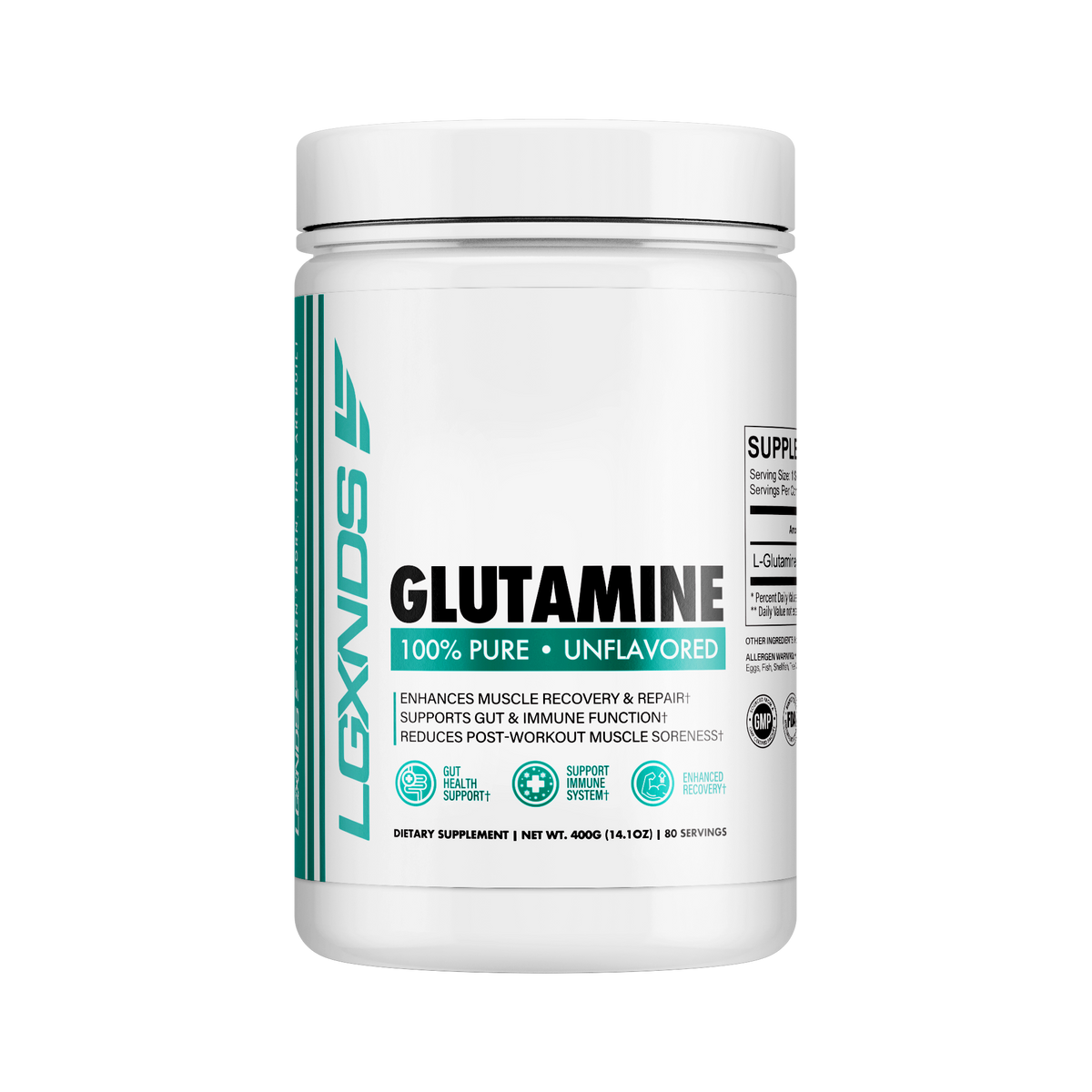
 Recommended for this topicGlutaminePure glutamine for muscle recovery, immunity & gut...$27.00Shop now