



4.8 | 50K+ Orders | 1.6K+ Members
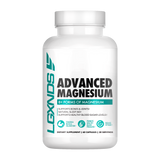
Advanced Magnesium
Eight-form magnesium + B6 for recovery & relaxation.
See Benefits See less
- 8 bioavailable magnesium forms for complete absorption
- Calms the nervous system for deeper relaxation
- Eases muscle tension, cramping and soreness
- Added B6 boosts magnesium uptake and mood
 Deep Relaxation
 Muscle Recovery
-
Better Sleep
 Nervous System


 3rd Party Lab Tested
 Free shipping on orders $75+
 Exclusive Drops


How To Use
Key Features
- 250 mg of 8 highly bioavailable magnesium forms plus Vitamin B6
- Optimized forms (bisglycinate, malate, taurate) for high absorption with zero bloat
- Clean, vegan formula
- No digestive discomfort or sedating side effects
Description
Results
- Calmer focus, better mood, and less fatigue
- Deeper, more restorative sleep
- Faster muscle recovery with less cramping and tension
- Support for bone and joint health
Ingredients
- Magnesium (8 forms incl. bisglycinate, malate, taurate)250 mg
- Vitamin B63.4 mg
Certifications
Manufactured in NSF, GMP, and FDA registered facilities in the U.S., and thoroughly tested for heavy metals and contaminants. Clean labels: Vegan.
Testing & Quality Control
Every lot undergoes rigorous testing to ensure quality and purity across label claims, heavy metals, and microbial contaminants. In addition, we regularly conduct testing with Analytical Resource Laboratories, a global leader in laboratory testing, to validate that our products meet label claims and surpass quality and safety standards across pesticides, heavy metals, and microbial contaminants.
* These statements have not been evaluated by the Food and Drug Administration. This product is not intended to diagnose, treat, cure, or prevent any disease.
No proprietary blends. Nothing to hide behind.

†Individual results may vary. These statements have not been evaluated by the Food and Drug Administration. This product is not intended to diagnose, treat, cure or prevent any disease.
Had no stomach upset or digestive discomfort†
Fell asleep more easily within the first two weeks†
Woke up feeling more rested†
Noticed less muscle cramping and tightness†
Take it at night. Let it work while you sleep.

Two capsules, thirty minutes out
Take both capsules about half an hour before you plan to be asleep. Food is optional, this formula sits fine either way, which is not true of every magnesium. If you would rather take it earlier in the evening that works too. The point is that it is in you before you lie down, not after.

Every night, including the easy ones
Most people take magnesium on the nights they already know will be rough. That is backwards. Magnesium status is something you build and hold, not something you reach for, and the nights you think you do not need it are the ones keeping the tank full for the nights you do.

Give it three weeks
Some people notice the first night. Most do not. Magnesium works by filling a gap that took months to open, and that takes a few weeks of consistent nights to close. Sleep quality is usually what shifts first, then cramping and muscle tightness. If nothing has changed after a month, it was not the thing you were short on.


Nine forms of magnesium. Every one of them named.
Nine forms and a B vitamin. That is the whole label, and every one of them is spelled out.

The Amino Acid Chelates
Magnesium bisglycinate chelate · Magnesium lysinate glycinate chelate

These two lead the formula, and they are the reason people finish the bottle. Chelated magnesium is bound to amino acids, which lets it travel a different absorption path than mineral salts and largely sidesteps the gut irritation that magnesium is known for. Bisglycinate is bound to glycine, an amino acid with a quieting effect of its own, which is why it has become the default recommendation for anyone taking magnesium at night.

The Organic Salts
Magnesium citrate · Magnesium malate · Magnesium lactate · Magnesium gluconate

Four forms bound to organic acids your body already handles every day. Citrate is the most studied of all magnesium forms and among the best absorbed. Malate is bound to malic acid, a direct participant in the energy cycle running inside your cells. Lactate and gluconate are both gentle, well tolerated forms used in clinical settings. Together they carry a meaningful share of the 250 mg without leaning on any single one.

The Amino Acid Bound Forms
Magnesium taurate · Magnesium aspartate

Two more forms attached to amino acids rather than mineral salts. Taurate is bound to taurine, which shows up in the heart, the brain and skeletal muscle in high concentrations. Aspartate is bound to aspartic acid and is one of the more readily absorbed forms available. Both are here to widen the range of absorption pathways the formula can use at once.

Magnesium Carbonate
The one inorganic form

Carbonate is the only non-chelated, non-organic form in the bottle, and it is here on purpose. When magnesium carbonate meets stomach acid it converts to magnesium chloride, which absorbs well. On the way it also buffers acid, which is part of why this formula sits easily even taken on an empty stomach. What it is not is magnesium oxide, the cheap high-weight form that most of the shelf runs on. There is none of that in here.

Vitamin B6
3.4 mg · 200% DV

B6 is a cofactor in more than a hundred enzyme reactions, including the ones that build the neurotransmitters involved in mood and sleep. It is the traditional partner to magnesium and it belongs here. What matters just as much is the amount. Plenty of magnesium and B6 products run 25, 50 or 100 mg of pyridoxine, and sustained high intakes carry a real nerve related risk. 3.4 mg covers the job and stops there.
Nine forms. One mineral.

Not all magnesium absorbs
Magnesium never comes on its own. It is always bound to something else, and what it is bound to decides how much of it actually gets into you. Magnesium oxide is the form in most cheap supplements because it carries more magnesium by weight than anything else, which makes the number on the front of the bottle look big. Your body absorbs very little of it. The rest stays in your gut, which is why cheap magnesium has the reputation it does.
There is no oxide in this bottle. There are nine other forms instead, led by bisglycinate and lysinate glycinate chelate, the two that people tolerate best. Spreading 250 mg across nine forms rather than loading it all into one is how you get magnesium in without the stomach trouble that makes people quit after a week.
Advanced Magnesium: a closer look
-
 MAGNESIUM BISGLYCINATE CHELATE — bound to glycine
The form most people are looking for when they buy magnesium, and the reason this formula leads with it. Magnesium bound to two glycine molecules absorbs through an amino acid pathway rather than a mineral one, which is what makes it sit easily in the stomach. Glycine is also an inhibitory neurotransmitter in its own right, which is part of why bisglycinate became the standard recommendation for taking magnesium at night.
-
 MAGNESIUM CITRATE — bound to citric acid
The most researched magnesium form there is, and the one other forms get measured against. Citrate absorbs well and has decades of human data behind it. At high standalone doses it pulls water into the bowel, which is why it shows up in laxatives, but at the share it occupies here it is doing absorption work and nothing else.
-
 MAGNESIUM ASPARTATE — bound to aspartic acid
Magnesium attached to aspartic acid, an amino acid your body uses in protein and in the urea cycle. It is one of the more readily absorbed forms and it has a long history in clinical magnesium research. It is here to add another absorption pathway rather than to do a job the other forms cannot.
-
 MAGNESIUM CARBONATE — the buffered form
The only inorganic form in the bottle, and it earns the spot. When magnesium carbonate meets stomach acid it converts into magnesium chloride, which absorbs well, and it buffers acid on the way through. It is also the same compound as lifting chalk. What it is not is magnesium oxide, the cheap high-weight form most of the shelf runs on.
-
 MAGNESIUM MALATE — bound to malic acid
Malic acid is not a carrier picked at random. It is an intermediate in the citric acid cycle, the process running inside your cells that turns food into usable energy. That makes malate the form people reach for when magnesium is going toward training and recovery rather than sleep.
-
 MAGNESIUM LYSINATE GLYCINATE CHELATE — bound to lysine and glycine
A double chelate, magnesium held by two different amino acids instead of one. Lysine and glycine are absorbed by different routes, which means this form is not competing with bisglycinate for the same doorway. Two chelates in one formula is uncommon and it is one of the reasons this label is worth reading closely.
-
 MAGNESIUM LACTATE — bound to lactic acid
Gentle, well tolerated and used in clinical settings for exactly that reason. Lactate is a normal product of your own metabolism, not something foreign being introduced, and magnesium bound to it tends to be easy on people who struggle with other forms. A quiet inclusion that does real work.
-
 MAGNESIUM TAURATE — bound to taurine
Taurine is an amino acid found in high concentration in the heart, the brain and skeletal muscle, and it is one of the most common ingredients in the sports supplement aisle in its own right. Binding magnesium to it gives this formula a carrier that is doing something on both ends rather than just delivering the mineral.
-
 MAGNESIUM GLUCONATE — bound to gluconic acid
Among the gentlest forms available, which is why it appears in food fortification and in products made for sensitive stomachs. Gluconic acid is a simple sugar acid that your body handles without difficulty. It rounds out the nine and adds one more route in.
-
 VITAMIN B6 — 3.4 mg
B6 is a cofactor in more than a hundred enzyme reactions, including the ones that build the neurotransmitters tied to mood and sleep. It is the traditional partner to magnesium. What matters as much as its presence is the amount. Plenty of magnesium and B6 products run 25, 50 or even 100 mg of pyridoxine, and sustained high intake carries a real nerve related risk. 3.4 mg covers the job and stops there.


Customer reviews
Don't take our word for it. Take theirs.