


Why Do People Regain Weight After Losing It? (And How to Prevent It)
Let’s say you worked hard, stayed consistent, and finally reached your goal weight, only for the excess weight to start coming back. Regaining the weight you lost is one of the most frustrating parts of any weight loss journey, and you’re not alone if you’ve experienced it. In fact, many people regain much of the weight within a few months or years.
It’s easy to think this happens because of a lack of discipline, but your body, habits, and metabolism all play an important role. Our guide discusses why your body regains weight and the steps you can take to prevent it, including taking the best supplements for weight loss.
Main Reasons People Regain Weight After Losing It
Let’s start by going over the main reasons people regain weight after losing it:
Metabolism Slows Down
When you lose weight, your body adapts by burning fewer calories than before to conserve energy. Since you weigh less, you need fewer calories than before, but if you’re still eating the same amount of calories, you’ll gain weight gradually.
Hunger Hormones Increase
After losing weight, your body starts producing more ghrelin, the hunger hormone, and produces less leptin, the fullness hormone. Because of this, you feel hungrier often and don’t feel satisfied after meals, which makes it easier to overeat without realizing.
Muscle Loss Slows Calorie Burn
If your weight loss is the result of extreme dieting with a low protein intake, you’ll end up losing muscle with the fat. This is important because muscle burns more calories than fat, so if you have low muscle mass, your metabolism slows down. Over time, it becomes easier to regain the weight you lost, even if you’re eating the same amount as before.
Old Eating Habits Resume
It’s common for people to see weight loss diets as a temporary change, so once they reach their goal, they go back to their old eating habits. You may engage in irregular eating patterns and emotional or stress eating, which can make you regain lost weight when paired with high-calorie foods.
Over-Restriction Causes Rebound Eating
Very low-calorie diets are unsustainable, so you have a hard time maintaining them after some time. Eventually, this leads to strong cravings, loss of control around food, and binge eating episodes. This cycle usually results in regaining the weight you lost.
No Weight Maintenance Plan
For many people trying to lose weight, the focus is on losing, not maintaining. But once you reach your goal weight, you need a maintenance plan. This requires being aware of what you eat, consistently eating high-protein meals, and adjusting your calories over time based on your weight. When you don’t have a plan, these small changes can slowly add up, causing weight gain.
How to Prevent Weight Regain
The key to losing weight and keeping it off is to do things consistently rather than doing more.
You need to avoid extreme diets and aim for gradual, sustainable weight loss instead. This means shifting from a short-term mindset to a long-term mindset.
Prioritize Protein Intake
You need to focus on your protein intake even after losing weight because it plays an important role in weight maintenance. Meeting your daily protein target will help preserve muscle by helping your body rebuild after workouts. It also keeps you full for longer and supports metabolism, since protein is harder to digest than simple carbohydrates.
You can include protein in every meal with ingredients like eggs, salmon, chicken breast, or even plant sources like tofu or legumes. And if you want to supplement your intake or fill small gaps, consider adding a high-quality powder like LGXNDS Premium Whey Isolate Protein to stay consistent without overcomplicating meals.
Improve Metabolism
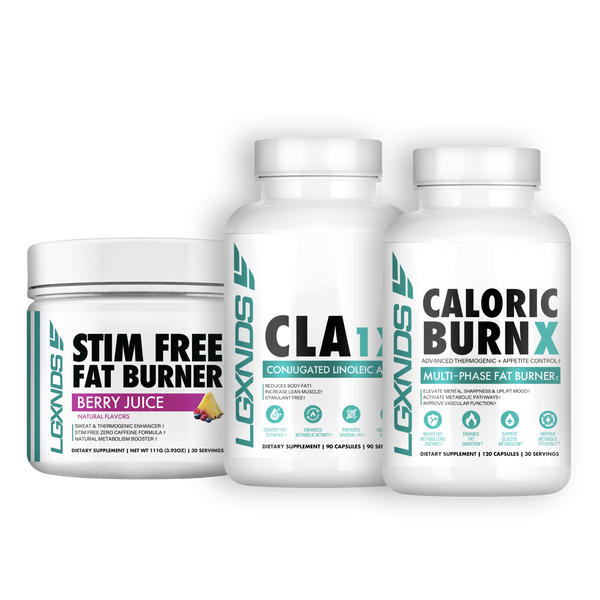
Because your metabolism can slow down after weight loss, you need to support it by staying active and eating enough, rather than restricting yourself. It’s also important that you maintain muscle mass because it burns more calories than fat, even at rest, making weight loss sustainable. You can also support metabolism with a supplement like LGXNDS CLA-1X, which promotes fat loss while preserving lean muscle.
Manage Hunger and Cravings
Post-weight loss hunger is one of the biggest reasons people regain weight, and ignoring it can backfire. Make your meals contain enough protein and healthy fats, avoiding long gaps without food, and being mindful of your hunger/satiety signals.
Of course, this is easier said than done, so if you need some help with appetite management, a supplement like LGXNDS GLP-1X can help. It has ingredients that reduce persistent hunger and emotional snacking, calm stress to reduce reactive cravings, and boost carbohydrate utilization.
Continue Strength Training
Strength training isn’t only important when you’re losing weight; you need to make it a lifestyle change. It can help preserve existing muscle mass while helping you build more muscle. In the long-term, it also keeps your metabolism active to support a calorie balance. As few as 2 to 3 sessions a week can make a difference. And if you want to support your workouts, choosing a supplement like LGXNDS Creatine Monohydrate Gummies can improve muscle strength and size with time.
Combine Lifestyle Changes With The Best Weight Loss Supplements
Regaining weight after losing it is common, but it’s not unavoidable. It happens because your body adapts, you feel hungrier, and your habits shift, but the right approach can prevent it. Instead of seeing weight loss as a temporary phase, treat it as a long-term goal you’ll reach with sustainable habits. These will include sustainable habits, protein-focused nutrition, strength training, staying active, and managing hunger. Once you’ve established the foundation, you can support it with the best dietary supplements for weight loss where needed.
Table of Contents