

Di-Caffeine Malate vs Caffeine Anhydrous: How Infinergy Reduces Pre-Workout Crash
A huge caffeine number means nothing if it wrecks the last half of your workout.
You know the feeling. The pre-workout hits fast. Your warm-up feels lighter. Your first few sets move well. Then your heart feels too busy, your focus scatters, and the same scoop that made you feel ready now makes you feel drained.
That is the pre-workout caffeine crash many lifters talk about. It can come from caffeine that hits too fast, a dose that runs too high, poor sleep, low food intake, or a nervous system that already feels stressed.
That is why di-caffeine malate vs caffeine anhydrous matters. Both give you caffeine. They do not always feel the same. Caffeine anhydrous gives a fast lift. Infinergy, a branded form of di-caffeine malate, pairs caffeine with malic acid to create a smoother feel and a longer runway.
For lifters, hybrid athletes, and anyone who trains before a long workday, that smoother curve can matter more than a bigger label number.
Why Some Caffeine Hits Too Fast
Caffeine blocks adenosine signals in the brain. Adenosine helps your body read tiredness. When caffeine gets in the way, you feel more awake, more alert, and more willing to push hard.

The trouble starts when the dose rises too fast. A sharp caffeine spike can make some people feel wired, not focused. After the peak fades, fatigue shows up again. If you trained hard, sweated a lot, skipped carbs, or slept badly, the drop can feel worse.
Daily use can also dull the effect. If you take high-stim pre-workout all the time, the same scoop may feel weaker. That is the caffeine tolerance pre-workout problem. The answer is not always “take more.” More caffeine can bring more jitters, stomach issues, anxiety, and sleep loss.
Why Most High-Stim Pre-Workouts Use Caffeine Anhydrous
Caffeine anhydrous is caffeine with the water removed. Brands like it because it mixes well, measures cleanly, and gives a strong effect.
In a pre-workout, caffeine anhydrous can feel quick. Many users feel it within 20 to 40 minutes. It can support alertness, effort, power, and endurance.
Sports nutrition research uses moderate caffeine doses, around 3 to 6 mg per kilogram of body weight, but not every lifter needs that much.
Caffeine anhydrous works best when the formula respects the full day, not just the first 20 minutes of the workout. It should help you train. It should not take over your nervous system.
What Makes Di-Caffeine Malate Different
Di-caffeine malate combines caffeine with malic acid. Infinergy is a branded form used in energy and pre-workout products.
Malic acid appears in foods like apples, and the body uses malate in normal energy pathways. That does not mean malic acid acts like caffeine. The main stimulant feel still comes from caffeine.
The reason Infinergy gets attention is the way it changes the feel of caffeine inside a formula. Many brands use Infinergy caffeine extended-release language because di-caffeine malate aims to feel smoother than straight caffeine anhydrous.
The goal is not a weak buzz. The goal is a cleaner rise, less harshness, and a lower chance of the sudden drop some users feel after high-stim products.
A fair way to say it: Infinergy may help smooth the ride. It does not make caffeine crash-proof.
How These Two Caffeine Sources Work Together
Caffeine anhydrous gives the early kick many people want before heavy squats, hard intervals, or low-energy morning sessions.
Di-caffeine malate fits longer lifts, high-volume bodybuilding, CrossFit-style work, hybrid training, and sessions where focus matters from warm-up to cool-down.
The best formulas do not always pick one. They pair them.
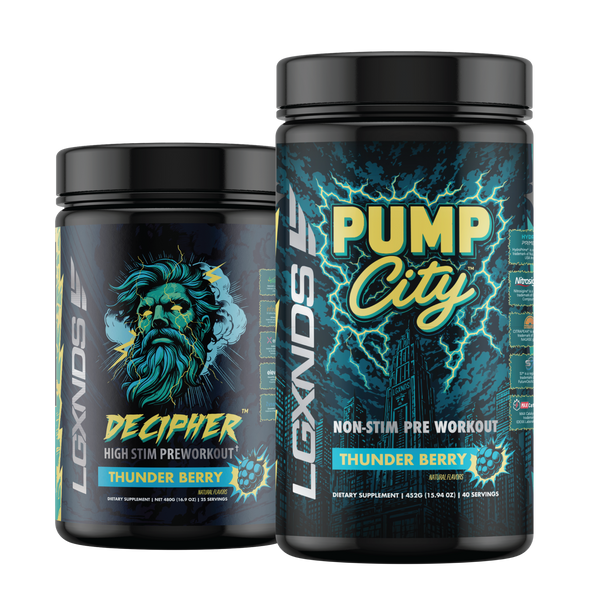
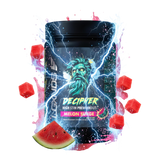
That is what LGXNDS does with Decipher Preworkout. The formula lists 200 mg caffeine anhydrous and 150 mg Infinergy di-caffeine malate.
The anhydrous caffeine helps start the session. The Infinergy helps extend the feel so the workout does not depend on one hard spike.
That pairing also changes how you should read the label. Infinergy is not the same as pure caffeine by weight.
Di-caffeine malate includes caffeine plus malic acid, so 150 mg of Infinergy does not equal 150 mg of caffeine anhydrous. That matters if you track total daily caffeine.
How Infinergy Helps Energy Last Past the Warm-Up
Infinergy may reduce crash risk in three practical ways.
First, it smooths out the caffeine curve. When a formula uses only fast caffeine, some users get a sharp peak. A blended caffeine system can feel more controlled because it does not rely on a single rush.
Second, it supports the middle of the workout. Many pre-workouts feel great during warm-ups and first lifts, then fade during accessories, conditioning, or longer sets. Infinergy fits athletes who want energy to last longer than the opening push.
Third, it may feel easier for people who use caffeine most days. It will not erase caffeine tolerance. No ingredient does that. Still, a smoother source can feel less aggressive than chasing higher and higher anhydrous doses.
If one scoop makes you shaky, anxious, or nauseous, the dose does not fit your current caffeine load. Half a scoop can be smarter. So can taking a stim-free pre-workout on lighter days.
How Caffeine and Focus Ingredients Work Together
A smart caffeine nootropic formula does not mean more stimulants.
It means the energy blend and focus blend work together. Caffeine wakes up the system. Choline sources can support mental drive. L-theanine can smooth the edge for some users.

Huperzine A may help focus feel longer in certain formulas. Ingredients like enXtra can also support alertness without adding more caffeine.
Training needs more than a buzz. A heavy set needs attention. A hard conditioning piece needs pacing. Long sessions need calm focus, not panic.
When a pre-workout uses caffeine anhydrous, Infinergy, and focus support in one plan, the goal becomes clear. Start strong. Stay locked in. Leave the gym without feeling flattened.
Who Infinergy fits best
Infinergy makes sense if regular high-stim pre-workouts feel great for 30 minutes and rough for two hours. It also fits long sessions, lifting plus conditioning, and training before work.
If you handle caffeine well and only need a fast kick, caffeine anhydrous still has a place. If you want energy with less harshness, a blended caffeine system makes more sense.
How to Use Caffeine Without Chasing Bigger Doses
Count your total caffeine for the day. Coffee counts. Energy drinks count. Fat burners count. Tea counts. Some pain relievers count too.
If you use Decipher or any high-stim product, do not stack it blindly with coffee. Take it 20 to 30 minutes before training, as the label suggests, and watch how your body responds.

If you train late, remember that caffeine can stay in the body for hours. A strong workout at 7 p.m. is not worth a ruined night of sleep.
Food matters too. A scoop on an empty stomach can hit harder. Some athletes like that. Others feel sick, shaky, or flat. A small meal with carbs and protein a few hours before training can make the whole session feel steadier.
Hydration matters as well. Stimulants cannot fix low fluids, low sodium, or poor recovery. If the crash happens after sweaty sessions, caffeine may not be the main problem.
Is Di-Caffeine Malate Better for Less Crash?
Di-caffeine malate may reduce pre-workout crash by giving caffeine a smoother feel than caffeine anhydrous alone. Infinergy combines caffeine with malic acid, which can help a formula feel less sharp and more steady.
It does not remove caffeine side effects, and it does not promise zero crash. Dose, timing, sleep, food, hydration, and caffeine tolerance still matter.
Make Your Pre-Workout Work Past the First Set
Caffeine helps many athletes train harder, but it still has limits.
Many healthy adults stay within 400 mg caffeine per day. Some people need less. If caffeine gives you chest discomfort, panic, dizziness, or sleep issues, lower the dose or skip stimulants.

If you have high blood pressure, heart rhythm issues, anxiety, pregnancy, or medication concerns, ask a qualified health professional before using high-stim products.
Also watch the habit loop. If you need more caffeine every week to feel normal, your body is giving feedback. Pull back. Use stim-free days. Save high-stim pre-workout for the sessions that truly need it.
Conclusion
The di-caffeine malate vs caffeine anhydrous debate is not about which one wins forever. It is about how each one behaves in a real workout.
Caffeine anhydrous brings the fast lift. Infinergy di-caffeine malate brings a smoother support layer. In the right formula, that mix can reduce the hard spike-and-drop feel that ruins so many pre-workouts.
If you want a high-stim pre-workout that hits fast but still feels controlled, look at how the caffeine system works, not just the total number on the label. Decipher pairs caffeine anhydrous with Infinergy so energy starts strong and stays with you longer.
Ready to build the rest of your routine around better training and recovery? Shop the LGXNDS Health & Wellness collection today!
FAQs
Is di-caffeine malate stronger than caffeine anhydrous?
Not by weight. Caffeine anhydrous gives more direct caffeine per milligram. Di-caffeine malate includes caffeine plus malic acid, so it may feel smoother rather than stronger.
Does Infinergy stop caffeine crash completely?
No. Infinergy can help a pre-workout feel steadier, but no caffeine source can promise zero crash. A dose that runs too high can still cause jitters, sleep trouble, or a hard drop later.
Why does Decipher use both caffeine anhydrous and Infinergy?
Decipher uses caffeine anhydrous for fast energy and Infinergy for a smoother, longer feel. This dual-caffeine setup suits lifters who want strong energy without depending on one sharp caffeine hit.
Can caffeine tolerance make pre-workout feel weaker?
Yes. Daily caffeine use can make the same scoop feel less noticeable over time. Use lower-stim days, stim-free days, and better sleep to keep your response cleaner.
How much caffeine is too much from pre-workout?
Many healthy adults stay under 400 mg per day from all sources. Some people feel side effects at much lower amounts. Count coffee, tea, energy drinks, pre-workout, and any other caffeine source.
Table of Contents