
It feels great to finish a workout, but when your muscles feel tight, heavy, and painful the next day, it’s hard to feel ready for your next workout. Usually, some soreness after exercise is normal, especially if you tried a new workout, lifted heavier, or trained after a break. But if you’re sore after almost every workout, or the soreness lasts for days, you may need to work on your recovery routine.
It’s a misconception that if you’re feeling sore, it means your exercise is working, but it’s not always a sign of progress. Sometimes it means your body isn’t getting enough rest, fuel, hydration, or sleep to repair properly. Let’s talk about why muscle soreness happens, when it’s normal, and how to recover better.
What Do Muscles Feel Sore After Working Out?
Muscle soreness happens because exercising creates small amounts of stress in your muscle fibers. Your body then repairs those fibers during recovery, which is how your muscles adapt and get stronger.
This type of soreness is delayed-onset muscle soreness, or DOMS, because it starts about 12 to 24 hours after exercising and feels strongest between 24 and 72 hours later. It’s common when your muscles experience something new, like lifting a heavier weight, doing more reps, or having a longer training time. It can also happen with movements that involve slow lowering, such as squats, lunges, deadlifts, or downhill running.
Why You’re Always Sore After Workouts
Though some soreness is expected, constant soreness may be a sign that your workouts are too intense, your recovery is too weak, or your body isn’t getting what it needs between sessions. Here are all the common reasons:
Doing Too Much Too Soon
One of the most common reasons for constant soreness is increasing workout intensity too quickly. This can happen when you suddenly add more weight, increase your sets, train too many days in a row, or start an advanced routine before your body is ready. Your muscles need time to adapt.
If you keep pushing harder without enough recovery, soreness can become a regular problem. A better approach is to increase one thing at a time. For example, you can add a little more weight, a few extra reps, or one more set, but not all at once.
Skipping Warmup
A proper warm-up prepares your muscles, joints, and nervous system for exercise. When you go straight into heavy lifting or intense cardio, your body has less time to adjust. This can make your workout feel harder and may increase stiffness afterward. A warm-up does not need to be complicated. A few minutes of light cardio, dynamic stretches, bodyweight movements, and lighter warm-up sets can help your body feel ready before training.
Not Eating Enough Protein
Protein plays a major role in muscle repair. After training, your body needs amino acids to rebuild muscle tissue. If your protein intake is too low, recovery may feel slower and soreness may last longer. Good protein sources include eggs, chicken, fish, Greek yogurt, lean meat, beans, tofu, and protein shakes.
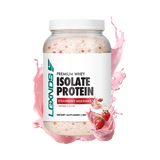
But if you’re not getting enough protein from your diet, this is where protein supplements for muscle recovery can be useful. They aren’t required, but they can help people who struggle to meet their protein needs through food alone. You can take LGXNDS Premium Whey Isolate Protein after workouts or between meals as a convenient way to support daily protein intake. Just remember it should support your nutrition routine, not replace balanced meals.
Not Eating Enough Carbs
Recovery is not only about protein. Your body also needs enough overall energy to repair properly. Carbohydrates help refill glycogen, which is your body’s stored workout fuel. If you are dieting too aggressively, skipping meals, or avoiding carbs completely, your body may struggle to recover.
This can lead to low energy, longer soreness, weaker workouts, and stronger cravings.
A balanced post-workout meal should include both protein and carbs, like chicken with rice, eggs with toast, Greek yogurt with fruit, or a protein smoothie with banana.
Being Dehydrated
When you sweat, your body loses fluids, and if you don’t replace them, you may feel more tired, stiff, or sore after training.
Dehydration can also affect muscle function, focus, energy, and recovery quality. Drinking water throughout the day matters more than trying to catch up right before your workout. If you train hard, sweat heavily, or work out in warm conditions, hydration support may help.
You can take a supplement like LGXNDS EAA+ Hydration Aminos around workouts for hydration and amino support. It works best as part of a routine that already includes enough water, food, and rest.
Sleep Deprivation
Sleep is one of the most important parts of recovery, because that’s when your body repairs tissue, restores energy, and balances hormones involved in recovery. If you’re not sleeping enough, soreness may feel worse and last longer.
Poor sleep can also reduce motivation, lower strength, increase cravings, and make your next workout feel harder. But if you struggle with a nighttime routine, LGXNDS Nocthermo may fit into a sleep-support routine. It should not replace healthy sleep habits, but it may help support consistency when paired with better bedtime habits.
Training The Same Muscles Too Often
Your muscles need time to repair after hard training, so if you train legs hard one day and then train them intensely again the next day, your body may not have enough time to recover.
This does not mean you need to rest completely for days, but that your routine should be balanced. For example, you can alternate between upper-body days, lower-body days, light cardio, mobility work, and rest days. This gives your muscles time to recover while still keeping you active.
Poor Form
Poor form can put extra stress on certain muscles, joints, or tendons, which can make soreness worse and may increase injury risk. For example, rounding your back during deadlifts, letting your knees cave during squats, or lifting heavier than you can control may create unnecessary strain.
If soreness feels unusual, sharp, or one-sided, review your form. Lower the weight, slow the movement, or ask a trainer for feedback.
How to Recover Better After Workouts
Before you turn to muscle recovery supplements, it’s important to consider building a foundation to help your body recover:
-
Train Gradually: Progress is important, but it should be gradual. Instead of increasing weight, reps, sets, and workout frequency all at once, change one thing at a time. This helps your body adapt without becoming overwhelmed.
-
Use Active Recovery: Active recovery means light movement that increases blood flow without adding more stress to your muscles. As the goal is to move enough to reduce stiffness and help your body feel better, this can include walking, gentle cycling, easy swimming, stretching, or mobility work.
-
Eat a Balanced Post-Workout Meal: After training, aim for a meal that includes both protein and carbohydrates because protein supports muscle repair, while carbs help restore energy. Though you don’t need to eat immediately after every workout, you should avoid going too long without proper nutrition.
-
Prioritize Protein Throughout the Day: Your protein intake should be consistent throughout the day, not just after training.
-
Sleep Better: Try to sleep and wake at similar times, avoid caffeine late in the day, reduce screen time before bed, and keep your room cool and dark.
Takeaway
Feeling sore after workouts is normal sometimes, but being sore all the time usually means your recovery needs work. The most common causes include doing too much too soon, skipping warm-ups, not eating enough protein or carbs, poor hydration, lack of sleep, poor form, and not taking enough rest days.
To recover better, focus on simple habits first, train gradually, warm up properly, eat enough protein and carbs, stay hydrated, sleep well, and give your body time to repair. Supplements can help when they fill a real gap, but they work best when your foundation is already strong.
Table of Contents