

- Resources
- Blog
- Energy & Pre-Workout
- Top Supplements for Endurance Training and Racing
Top Supplements for Endurance Training and Racing

If you want the fastest answer, here it is. The top supplements for endurance training are not the most hyped ones. For most endurance athletes, the biggest wins come from carbs, electrolytes, caffeine, and protein.
These cover the four things that matter most in long training and racing: fuel, hydration, focus, and recovery. A few others can help in the right setting, such as creatine, beetroot or nitrate, beta alanine, and sodium bicarbonate, but they do not beat the basics.
Sports nutrition guidance continues to place carbs, sports foods, caffeine, creatine, nitrate, beta alanine, and bicarbonate among the most useful evidence based options when athletes use them for the right job.
Table of contents
-
Who this is for
-
What actually deserves a spot in your routine
-
Carbs still lead the list for endurance work
-
Electrolytes matter more than many runners think
-
Why caffeine stays near the top
-
Protein helps you come back stronger
-
Creatine for endurance athletes and hybrid athletes
-
The extras that can help in the right case
-
Product recommendation block
-
Race day supplement stack
-
FAQ
-
Final CTA
Who this is for
This guide is for runners, cyclists, triathletes, hybrid athletes, and anyone training for longer events. It is also for people who keep searching for the best supplements for endurance athletes, supplements for runners, or marathon training supplements.
If you want a clear answer on what matters, what does not, and what to take for endurance racing, this is for you.
Where to Start with Endurance Supplements
A lot of endurance athletes waste money because they buy products before they fix the real problem. Most bad training days come from one of four issues. You started under fueled. You took in too little fluid.
You lost too much sodium in heat or sweat. Or you failed to recover well enough to train hard again. Good endurance training supplements should solve one of those problems. If they do not, they belong at the bottom of your list.
Sports nutrition guidance keeps coming back to the same idea: use the supplement that matches the demand of the session.
That is why the best supplements during endurance training usually look boring. They work because they cover the basics.
They help you keep pace late in a long run, stay steady in the heat, and wake up ready for the next hard day. That matters more than chasing a “secret” formula.
Why Carbs Should Be Your First Priority
If you only remember one thing from this article, remember this. Carbs still sit at the top of the list of top supplements for endurance training. That is true whether they come from gels, chews, sports drinks, or a carb mix in your bottle.
Endurance athletes burn through stored fuel fast, especially during long runs, hard bike sessions, tempo work, and race pace efforts. When you feed the work, you usually hold pace better, think more clearly, and finish stronger.
Guidance for sports foods still recommends about 30 to 60 grams of carbs per hour for endurance work lasting 1 to 2.5 hours, with intakes rising as events get longer and athletes train their gut for more.
Why carbs matter so much
People often look for racing supplements when the real answer sits right in front of them. They simply need more fuel. When pace drops late in a race, low carb intake often plays a bigger role than a lack of exotic supplements.
That is why carbs should lead your thinking for long sessions and race day. They support output in the moment, and they also help recovery because you do not finish every big session half empty.
Where many athletes get this wrong
Many runners take in too little, too late. They wait until they feel flat, then try to fix it with one gel. That usually fails. A better move is to start early and stay steady.
If your session will last more than an hour, plan your carb intake before you lace up. That habit alone can change how your whole block feels.
Why Hydration Is Not Just About Water
Electrolytes sit high on the list of supplements for stamina and endurance because they help you handle sweat loss better, especially in heat. Sodium matters most here.
Sodium helps preserve thirst drive and supports fluid intake in the range of about 0.5 to 0.7 grams per litre for longer work. Higher sodium endurance formulas can make sense for heavy sweaters, hot races, and long sessions where plain water alone does not hold up well.

This is where a hydration product can earn its place. Aquify Hydration Sticks are built around rapid hydration and electrolytes for peak performance and recovery, and the product page lists a strong electrolyte profile with sodium, potassium, magnesium, calcium, and chloride. That makes it a good fit for long runs, hot weather sessions, travel days, and race week hydration support.
When electrolytes matter most
Electrolytes matter more when you sweat heavily, train in warm weather, finish runs with salt marks on your gear, or struggle with late session fade in the heat. They also help when you need fluids to go down easier.
If your training lasts less than an hour in mild weather, you may not need much more than water. If it lasts much longer, especially in summer, electrolytes deserve your attention.
Why Caffeine Remains a Go To Supplement
Caffeine stays near the top of almost every serious list of endurance training supplements because it can help with alertness, effort, and performance when you use it well.

Sports nutrition guidance supports caffeine for endurance sports, and current guidance also points out that many athletes do well with lower effective doses, often around 2 to 3 mg per kilogram, instead of chasing very high amounts.
That matters because more is not always better. A huge dose can leave you shaky, wired, or stuck with stomach trouble. A smart caffeine plan feels controlled, not chaotic. Test it in training, not for the first time on race morning. That rule should guide every race day supplement stack you build.
Best use for endurance athletes
Use caffeine for key sessions and race day, not every easy run. Save it for the moments that matter. That helps you learn your sweet spot and avoid turning caffeine into background noise.
If you handle it well, it can be one of the best supplements for endurance athletes because it is practical, proven, and easy to work into a real plan.
Why Recovery Starts with Protein
Protein will not carry you through the last 10K of a marathon, but it helps you recover from the work that gets you there.
Daily protein needs for active people need protein in a range around 1.4 to 2.0 grams per kilogram per day, with endurance athletes often landing on the lower end of that range when overall intake stays solid. That makes protein one of the best supplements during endurance training because it helps you repair tissue, stay consistent, and hold on to lean mass through heavy blocks.
This is where Premium Whey Isolate Protein fits well. According to LGXNDS, it is a fast absorbing whey isolate with 25 grams of protein per scoop, no added sugar, and low fat.

For endurance athletes who need something easy after long runs, tough rides, or two a day training, that makes sense. It gives you a clean recovery option when a full meal is not ready yet.
The real value of protein for endurance athletes
Protein helps you get ready for the next session. That is the point. Many people think recovery supplements only matter for lifters, but endurance athletes need recovery just as badly.
When mileage builds, races pile up, or life gets busy, a reliable protein option can help you stay on track instead of missing the next hard workout.
Where Creatine Fits for Endurance Athletes
Creatine does not top the list of racing supplements for a long steady marathon, but it still deserves a place in this conversation. It supports high intensity work, repeat efforts, strength training, and power.
That makes it useful for hybrid athletes, trail runners who need stronger climbing legs, endurance athletes who sprint hard, and runners who want more from their gym work.
Sports nutrition guidance continues to support creatine monohydrate as an effective performance supplement for high intensity exercise.
At the same time, newer work suggests it does not directly improve steady endurance performance in already trained endurance athletes the way carbs or caffeine do.
So where does creatine fit? It fits best when your training includes lifting, harder repeat efforts, or power demands on top of endurance work. It also fits athletes who want stronger training quality over months, not athletes hoping for a miracle on race day.
The Add Ons Worth Knowing About
This is where many lists go off track. Yes, a few extra tools can help, but only in the right lane.
Beetroot or nitrate
Dietary nitrate can help some athletes, especially when they use the right dose and timing. It is recommended to take around 6 to 8 mmol, or about 350 to 500 mg of nitrate, taken 2 to 3 hours before exercise.
Some athletes also use a short loading phase before competition. This option can make sense for time trials and longer steady efforts, but it still needs testing in training first.
Beta alanine
Beta alanine can help with high intensity endurance work, not easy long miles. It works through loading, not a one time shot.
Daily use across weeks, with divided doses help athletes manage the tingling feeling some people get. This is more useful for athletes who train and race hard efforts, not someone building easy aerobic volume only.
Sodium bicarbonate
Bicarbonate can help in very hard events, especially those that push high intensity work for a few minutes or include repeated surges.
Take around 200 to 400 mg per kilogram before exercise, with a carb rich meal. It can work, but it can also upset the stomach. That means most runners should treat it like an advanced tool, not a default add on.
Our Top Product Picks
If you want to keep this practical, start with the two LGXNDS products that match the needs most endurance athletes face most often.
1. Aquify Hydration Sticks
Use this for long runs, long rides, hot weather training, travel, and race week hydration. LGXNDS positions it as a performance driven hydration formula with a strong electrolyte blend to support fluid balance, muscle function, and steady performance.

2. Premium Whey Isolate Protein
Use this after hard training when you need a clean, easy protein source. LGXNDS lists 25 grams of protein per scoop in a fast absorbing whey isolate format built for recovery, strength, and performance.

A Smart Supplement Stack for Race Day
The day before
Focus on carbs, fluids, and sodium. Do not make the mistake of “eating clean” so hard that you under fuel.
The day before a race is about topping off, not showing discipline for the sake of it.
Race morning
Eat a carb based meal that you know your stomach handles well. Sip fluids and include electrolytes if heat, sweat rate, or race length call for them. This is the point where Aquify Hydration Sticks can fit well into your morning routine.
Before the start
Use caffeine only if you have tested it in training and know the dose that works for you. Keep it controlled. You want sharper focus, not a jittery start line.
During the race
Take in carbs early and keep them coming at a steady rate. Add fluids and sodium based on weather, sweat rate, and event length. This part matters far more than most flashy racing supplements.
After the finish
Get carbs, fluids, and protein back in. This is where Premium Whey Isolate Protein makes sense as a fast post race recovery option.
Conclusion
If you want better race days and better training weeks, stop chasing random products and start solving the real problems. Fuel the work. Replace what you lose in sweat. Use caffeine with a plan. Recover well enough to train again. That is how smart endurance athletes build real progress.
If you want to keep your setup clean, start with Aquify Hydration Sticks for hydration support and Premium Whey Isolate Protein for recovery support.
Those two cover two of the biggest gaps most endurance athletes face.
FAQs
What are the top supplements for endurance training if I want to keep it very lean?
Start with carbs, electrolytes, caffeine, and protein. Those four cover the biggest needs for most athletes. Everything else comes later.
What are the best supplements for endurance athletes during marathon prep?
The best picks for marathon prep are the ones that help you fuel long runs, stay hydrated, and recover fast enough to do the next big session well. That usually means carbs, electrolytes, and protein first, with caffeine saved for key days.
Are creatine and protein good supplements for runners?
Yes, but for different reasons. Protein supports recovery. Creatine helps more with power, strength work, and hybrid style training than with pure steady state endurance performance.
What should I take for endurance racing?
For most people, the answer is carbs, fluids, sodium when needed, and caffeine if you tolerate it. That is the smartest answer to “what to take for endurance racing” because it matches the real demands of the event.
Do I need every supplement in this article?
No. Most athletes do better when they use fewer products with more purpose. Pick the ones that solve your real limiters first.
FAQs
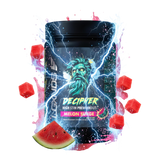
 Recommended for this topicDecipher PreworkoutHigh-stim pre-workout for energy, focus & endurance.$65.00Shop now
More on Energy & Pre-Workout
 Energy & Pre-WorkoutHow to Increase Strength and Endurance During Workouts?Learn the best strategies and natural pre-workout supplements to enhance your performance, whether you’re lifting weights or doing cardio.
 Energy & Pre-WorkoutHow to Build a Daily Supplement Routine for Better Health, Energy, and BalanceWant to start taking supplements for health and wellness? Here’s how to create a routine with the best supplements for health, energy, and balance
 Energy & Pre-WorkoutHow to Boost Workout Energy and Performance Naturally (Complete Pre-Workout Guide)From sleep and hydration to caffeine and creatinine, we’ll explain how to keep pre workout supplements natural and make the most out of training.