

- Resources
- Blog
- Weight Loss
- Best Weight Loss Supplements
Best Weight Loss Supplements
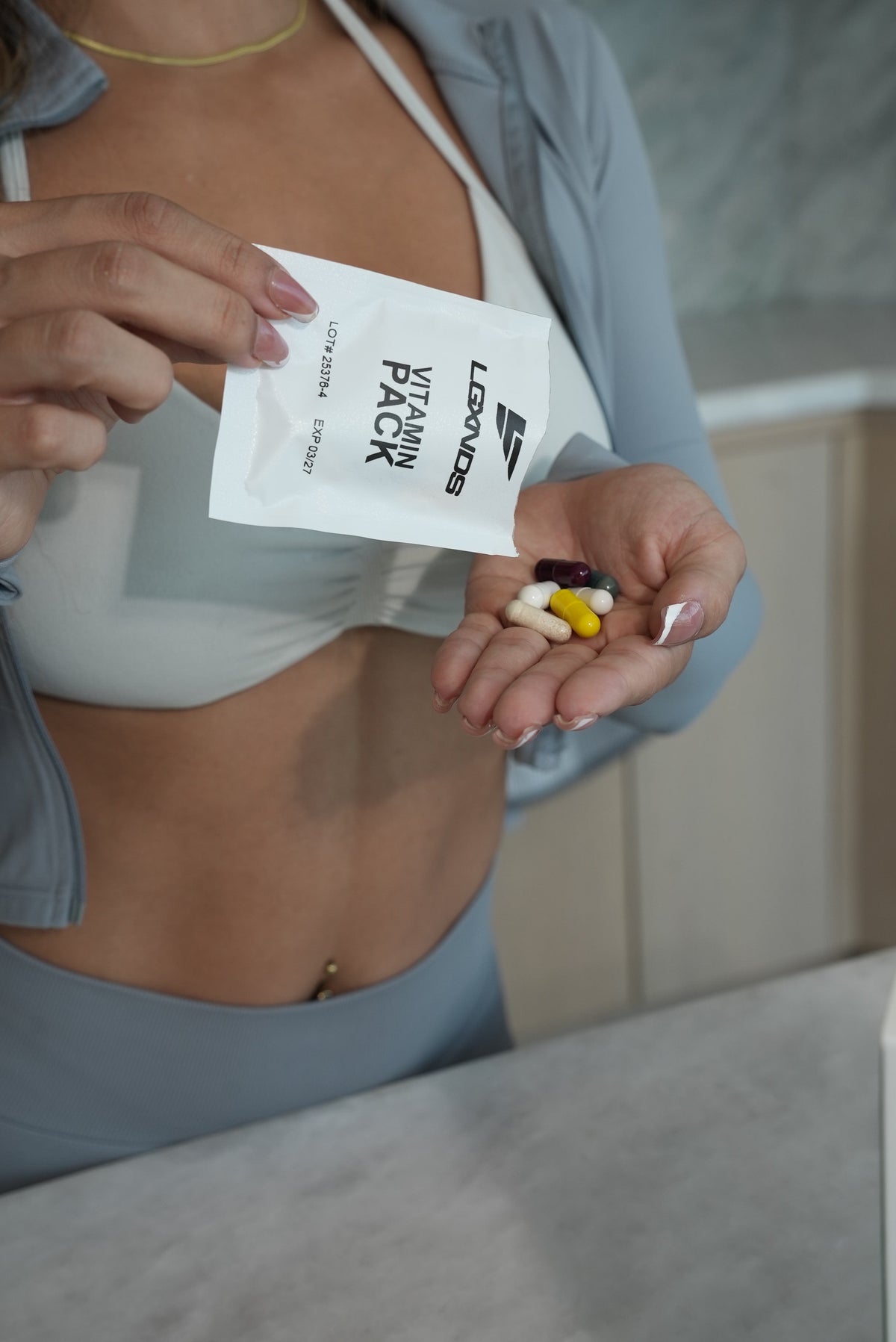


How to Lose Weight Naturally and Sustainably (Science-Based Beginner Guide)
Weight loss may sound simple in theory, but it's far from it in real life. And it’s not like beginners are short on motivation, because they just need some clarity. One source tells them to cut carbs, while another pushes the ‘best weight loss supplements,’ which is why so many people jump from one strategy to another without building a proper routine.
Nevertheless, public-health guidance is consistent about one thing: healthy weight loss is based on mindful eating, physical activity, regular sleep, and low stress. To shape your weight loss journey, we’ll talk about science-backed habits and possible weight loss supplements for men and women.
What Natural and Sustainable Weight Loss Means
Calorie deficit is at the center of fat loss, because if you consistently take in less energy than you use, your body uses stored energy over time. The National Institute of Health frames weight loss around this principle, while stressing eating patterns and physical activity. The quality of these two things can strongly impact how easily you maintain a calorie deficit.
This is where nuance matters, because two diets can have a similar number of calories but give different results. It happens when one constantly leaves you hungry, while the other helps you stay full, energized, and consistent. That’s where fiber, protein, and meal structure come in, because weight loss is much more than eating less.
The Science Behind Weight Loss
Here’s a look at the foundations of weight loss that make a big difference in your results:
-
Realistic Calorie Deficit
Remember: a moderate calorie deficit is more sustainable than an aggressive one. That’s because when you cut out too many calories, you feel hungrier and have worse energy. You also perform poorly in the gym and feel a strong urge to overeat. Doing this gives a beginner-friendly plan that allows progress, while helping you feel normal. Tools like the National Institute of Diabetes and Kidney Diseases’ Body Weight Planner can help you estimate calorie and activity targets better than guesswork.
-
Eating Better
A healthy eating pattern includes fruit, vegetables, whole grains, beans, nuts, lean protein sources, and fewer sugar-sweetened drinks to make calorie control easier. Since these foods improve food quality and fullness, you’re less likely to experience cravings that make it harder to keep a deficit. Sustainable weight loss guidelines by government bodies like the CDC lean heavily in this direction. That’s why successful weight loss looks less like taking the best dietary supplements for weight loss and more like portion control, protein-rich meals, and fresh produce.
-
Physical Activity
Besides the obvious benefit of burning calories, exercise supports overall health, routine, and weight maintenance. According to CDC guidelines, adults should get at least 150 minutes of moderate-intensity activity per week and at least 2 days of muscle-strengthening exercise. To lose weight, walking, cycling, and other types of cardio can increase how much energy you release, while resistance training preserves your muscle and improves body composition during fat loss. Having more muscle mass will boost your resting metabolic rate, which allows you to burn more calories, even when you’re inactive.
-
Sleep and Stress Management
You need to stop thinking about weight loss as a food problem and more as a recovery and routine problem. Lack of sleep and chronic stress can make it harder to lose weight, and healthcare professionals include sleep and stress management as part of healthy weight loss guidelines. Healthcare experts recommend that adults get between 7 and 9 hours of sleep each night, while adults who sleep less than 7 hours may struggle with more health issues. There’s evidence that not getting enough sleep can make you hungrier, which increases the likelihood of choosing less healthy foods and eating more calories.
-
Consistency, Not Perfection
People who successfully lose weight and keep it off are rarely the ones who do things perfectly every day. Instead, they’re just the ones who bounce back quickly after imperfect days where they didn’t eat enough protein or get enough exercise. Healthcare professionals push against the myth that you need to give up all your favorite foods to lose weight. Overall, the main focus is on overall calorie intake and being consistent, not making sure that every meal is flawless.
Why Beginners Struggle to Maintain Weight Loss
When starting their weight loss journey, beginners end up doing too much, too soon. They slash the number of daily calories, do cardio every day, and stop consuming entire food groups, expecting the scale to move down easily. But as their hunger increases and energy falls, workouts become less productive, and the plan starts to feel punishing. It’s not due to a lack of discipline, but the plan was made for short-term suffering rather than long-term adherence.
Another common mistake beginners make is overlooking easy calories, which come from sugary drinks, dressings, oils, frequent snacking, and oversized portions. These can quietly reverse a calorie deficit, so portion awareness and reducing your intake of sugary beverages are practical ways to keep energy levels high without sticking to extreme rules.
What You Should Be Eating For Natural Weight Loss
Before discussing the biggest components of an effective weight loss diet, it’s important to know that you shouldn’t chase a perfect diet. Instead, try to build an eating pattern you can stick to. The NIDDK states that you don’t have to give up all your favorite foods to lose weight, and you can have small portions of your favorite foods as long as they stay in the total calorie range. This approach is much more sustainable for beginners compared to rigid rules that lead to overeating later.
Protein
If you’re a beginner, start planning for your weight loss by structuring your meals. Build meals around a protein source, adding a fiber-rich carbohydrate or produce, keeping portions realistic. Protein is important because it supports fullness and preserves lean mass during weight loss, and there’s plenty of research suggesting that a high-protein diet, combined with resistance training, is effective.
Fiber
Fiber matters for similar reasons as protein because high-fiber foods, like vegetables, oats, beans, and whole grains, improve fullness and diet quality. It’s one of the reasons healthcare professionals emphasize fiber-rich foods for a balanced eating pattern. The CDC notes that certain fruits and vegetables can help you feel full without adding too many calories to your daily intake. That’s why many effective fat loss diets don’t avoid food volume, but rather choose foods that improve fullness while keeping calories low.
How to Move For Effective Weight Loss
To lose weight sustainably, you don’t always have to plan coordinated workouts for each day of the week. Getting enough movement each day is a good way to start, and walking is one of the most underrated activities for weight loss. It’s accessible, low-impact, easy to recover from, and easy to do consistently compared to intense training plans. If you’re a beginner, increasing your daily movement is the first exercise habit that’ll actually stick.
Your routine should also include resistance training early on, even if it isn’t advanced. With just two to three full-body sessions per week, you can support muscle retention, improve mobility, and shape better body composition during a calorie deficit. This is important because your goal is more than just weight loss; it’s to lose fat while retaining muscle and strength.
The Difference Between Weight Loss and Bloating
Beginners tend to confuse fat gain with water retention and bloating, but they’re not the same thing. Fat loss is cumulative and happens over time, while bloating can change in a single day based on your digestion, sodium intake, meal size, and constipation. It can also change with shifts in your menstrual cycle. According to the NIDDK, bloating and abdominal distention are common gas-related symptoms, especially during or after meals, and constipation is a common digestive issue that makes you feel fuller.
That’s why the scale can jump overnight without reflecting any real fat gain. All it takes is a salty meal, more carbs than usual, constipation, or simple water retention to change your weight on the scale. So if you’re seeking the best supplements for bloating and weight loss, your first step should be to check your sodium intake, hydration, fiber balance, meal regularity, and constipation before assuming the problem is body fat.
How The Best Weight Loss Supplements Can Help
The NIH Office of Dietary Supplements explains that several ingredients in weight loss supplements have mixed evidence, with safety and quality varying by ingredient and purpose. But even though many supplements in the market oversell their capabilities, it doesn’t mean that all of them are useless. Make sure you’re taking supplements for support and not substitution.
Protein Powder
For beginners, supplements like the LGXNDS Premium Whey Isolate Protein work best when they solve a problem. You can use a protein powder when your protein intake falls below the recommended guideline, and your body needs more. Besides using it to make a protein shake, you can also add protein powders to other recipes like pancakes, muffins, soups, or oatmeal.
Fiber Supplement
Despite being crucial for digestion, busy routines can make it harder to get enough fiber in your diet. On days when you’re eating out or can’t plan a balanced meal, a fiber supplement can bridge the gap between your intake and your daily target. This prevents constipation, keeps you regular, and helps you stay full.
Hydration and Electrolyte
Dehydration can make workouts less productive and worsen muscle aches, while making it harder to figure out if you’re actually hungry. An electrolyte powder can keep you hydrated and stop you from snacking when your body is just dehydrated. Though this supports a calorie deficit, it’s not a fat loss mechanism on its own. The LGXNDS EAA + HYDRATION AMINOS is an example of a hydration product with essential minerals and amino acids that support your workout and recovery.
Best Weight Loss Supplements
Other than protein, fiber, and electrolytes, some supplements directly target fat loss by speeding up metabolism. However, it’s important to remember that these only work when you have a foundation that includes a proper diet, exercise, and sleep schedule. A supplement like the LGXNDS STIM FREE FAT BURNER creates a thermogenic effect that increases caloric burn while you’re working out.
The Final Takeaway For Weight Loss: A Beginner Routine That Works
A practical starting point for weight loss looks like this: build three structured meals around protein, including vegetables, beans, oats, or other fiber-rich foods. Try to walk each day and lift weights or do resistance training three times per week. Make sure you’re sleeping each day enough to function properly, while taking out some time for leisure to keep stress levels under control. Only then can you include supplements to reduce friction from the weight loss process.
FAQs
What is the best supplement for weight loss?
For weight loss, you can consider taking a protein powder, fiber supplement, and hydration product. Once you’ve formed a routine, you can include a fat burner to optimize workouts.
What are the best supplements for weight loss for beginners?
If you’re a beginner, taking a protein powder is more useful than trying complex fat burners because it helps you feel full and supports muscle retention.
What are the best supplements for bloating?
There’s no specific supplement that targets bloating. Look at your food quality, hydration, and movement. If you’re eating food that contains too much sodium, not moving enough, and not drinking enough water, start by changing these habits.
FAQs
 Recommended for this topicCaloric Burn XThermogenic formula for fat burn, focus & energy.$70.00Shop now
More on Weight Loss
 Weight LossHow to Boost Metabolism Naturally for Faster Weight LossMetabolism powers your weight loss efforts. From natural ways to lose weight to the best supplements for weight loss, our guide covers all.
 Weight LossHow to Lose Belly Fat Naturally at Home (Step-by-Step Guide)Are you not losing all that belly fat? Find out all about the best dietary supplement for weight loss. Say goodbye to belly fat as easily as possible.
 Weight LossWhat Is Metabolism and How Does It Affect Weight Loss?Your metabolism can power your weight loss efforts. Here’s how changes in your metabolism can speed up or slow down how you lose weight.