

- Resources
- Blog
- Health & Wellness
- How to Read a Supplement Label Before Buying Any Fitness Product
How to Read a Supplement Label Before Buying Any Fitness Product
The fastest way to read a supplement label is to check five things before you buy: the serving size, the amount of each active ingredient, the full ingredient list, any proprietary blend, and the brand’s quality proof.
A good label tells you what is inside, how much you get per serving, how to take it, and whether the product fits your goal.
Do not buy based only on the front of the tub. The front label sells the dream. The Supplement Facts panel tells you the truth.
FDA rules require supplement labels to show a Supplement Facts panel with serving size, servings per container, dietary ingredients, and the amount per serving.
The label also needs to identify the product as a dietary supplement or a related type, such as an herbal supplement.
Table of Contents
-
Who This Is For
-
Why the Label Matters More Than the Marketing
-
Start With the Serving Size
-
Check the Active Ingredients and Doses
-
How to Spot Underdosed Supplements
-
What a Proprietary Blend Means
-
What Else Is Inside Your Supplement?
-
Watch the Claims on the Front Label
-
Check Quality Signs Before Buying
-
How to Compare Supplement Products
-
Best Simple Pick for Strength and Training Support
-
A Smart Bundle for Hard Training Days
-
Conclusion
-
FAQs
Who This Is For
This guide is for you if you buy pre-workout, creatine, protein, amino acids, electrolytes, fat burners, sleep support, greens, or any fitness product.
It also helps if you feel lost when you turn the bottle around and see tiny text, long ingredient names, and claims that sound too good to ignore.
You do not need a science degree to shop better. You just need to know what to look for on a supplement label, what to question, and when to put the product back on the shelf.
Why the Label Matters More Than the Marketing
A fitness product can look strong from the front. It may say “extreme energy,” “rapid recovery,” “clean gains,” or “advanced formula.” Those words can sound exciting, but they do not tell you enough.
The back label gives you the real buying clues. NIH says the Supplement Facts label lists active ingredients, the amount per serving, and other ingredients such as fillers, binders, and flavorings. It also notes that the company suggests the serving size, but a health care provider may suggest a different amount for your own needs.

This matters because supplements do not work like magic. A product helps only when the ingredient, dose, timing, and your training plan all make sense together.
Start With the Serving Size
The serving size on supplement labels tells you how much the brand counts as one serving. This could be one scoop, two capsules, one stick pack, one gummy, or several tablets.
Do not skip this part. Many people compare two products and think one gives more value, but they miss the serving size. One pre-workout may list strong amounts per scoop. Another may require two scoops to match it. That changes cost, caffeine intake, and how long the tub lasts.

FDA guidance says one serving equals the maximum amount the label recommends for one eating occasion. For example, if the directions say to take 1 to 3 tablets with breakfast, the serving size would be 3 tablets.
When you check serving size, ask:
-
How many scoops or capsules count as one serving?
-
How many servings come in the container?
-
Do I need more than one serving to get a useful dose?
-
Will that double my caffeine, sugar alcohols, or other ingredients?
This one check can save you from buying an underdosed product or taking more than you meant to take.
Check the Active Ingredients and Doses
The active ingredients are the main reason you buy the product. In creatine, that active ingredient should usually be creatine monohydrate.
In an electrolyte product, you want minerals such as sodium, potassium, magnesium, calcium, and chloride. In a pre-workout, you may see caffeine, citrulline, beta-alanine, taurine, theanine, or other performance support ingredients.
A strong supplement facts label guide always comes back to this question: does the product show the amount of each key ingredient?
Clear amounts help you decide if the product fits your goal. For example, ISSN research notes that creatine monohydrate often uses a maintenance intake of 3 to 5 grams per day after a loading period.
ISSN also reports that beta-alanine at 4 to 6 grams per day can raise muscle carnosine over time, which links to performance support in hard training. For caffeine, ISSN reports performance benefits at about 3 to 6 mg per kg of body weight, while very high amounts can raise the risk of side effects.
That does not mean every product needs all these ingredients. It means you should compare the label against the goal.
How to Spot Underdosed Supplements
An underdosed supplement gives you an ingredient, but not enough to make the product worth your money. This happens a lot in crowded formulas.
Here is a clear way to check:
|
Ingredient |
What to check on the label |
Buying note |
|
Creatine monohydrate |
Grams per serving |
A full daily serving often lands around 3 to 5 g for many users |
|
Beta-alanine |
Total grams per day |
A tiny sprinkle may not match the research range |
|
Caffeine |
Milligrams per serving |
Check your total daily caffeine from coffee, tea, energy drinks, and pre-workout |
|
Electrolytes |
Sodium and potassium amounts |
Sweaty training often needs more than just flavor and trace minerals |
|
Protein |
Protein grams per serving |
Also check calories, carbs, fat, and serving size |
This is how to spot underdosed supplements without guessing. You look past the ingredient name and check the amount.
What a Proprietary Blend Means
The proprietary blend meaning is easy to understand once you know the label rule. A proprietary blend groups ingredients together and lists the total weight of that blend.
FDA says the label must list the blend’s total weight and list the ingredients in descending order by weight, but individual amounts for some ingredients inside the blend may not appear.
This can create a problem for buyers.
Imagine a pre-workout lists a 6 gram “performance blend” with citrulline, beta-alanine, taurine, caffeine, and several extracts. You know the total blend weighs 6 grams, but you may not know how much citrulline or beta-alanine you get.
The first ingredient weighs the most. The last ingredient weighs the least. That helps a little, but it still leaves questions.
Not every blend is bad. Some brands use blends to protect a formula. Still, a product with clear ingredient amounts gives you more control.
A smart rule: if the most important ingredients sit inside a blend with no clear amounts, compare it with a product that shows the dose.
What Else Is Inside Your Supplement?
The “other ingredients” area can tell you a lot about taste, texture, and fit. You may see sweeteners, flavors, colors, gums, capsule materials, anti-caking agents, or binders.

These ingredients are not always bad. Powders need to mix. Capsules need to hold their shape. Flavored supplements need flavoring. The point is not to fear every added ingredient. The point is to know what you put in your body.
Pay close attention if you avoid certain sweeteners, dyes, dairy, soy, gluten, or animal-based capsule materials. Also check allergen notes if you have food allergies.
This step helps you choose supplements that fit your body, diet, and training routine.
Watch the Claims on the Front Label
Supplement labels can make certain health-related claims, but they cannot claim to treat, cure, diagnose, or prevent disease like a drug. NIH explains that supplements are not medicines, and FDA rules for supplements differ from rules for prescription and over-the-counter medicines.
So read claims with care.
A normal supplement claim might say “supports hydration” or “supports muscle recovery.” A risky claim might promise fast fat loss without diet or training, cure a medical issue, or replace a prescribed medicine.

Good products explain what the ingredients do. Weak products shout big results but hide the useful details.
Check Quality Signs Before Buying
Safe supplement buying tips start with quality proof. NIH says FDA has Good Manufacturing Practices that help support identity, purity, strength, and composition. NIH also notes that independent groups may test products and allow quality seals, but those seals do not guarantee that a product is safe or effective for every person.
For athletes, third-party testing matters even more. NSF says its Certified for Sport program helps confirm that sports supplements do not contain substances banned by many major sport groups.
Before you buy, look for:
-
Clear Supplement Facts panel
-
Full serving size and servings per container
-
Clear active ingredient amounts
-
Allergen notes
-
Lot number and expiration date
-
Brand contact information
-
Testing or quality standards
-
Sensible directions and warnings
LGXNDS states that its standards include transparent labels, third-party testing, science-backed ingredients, and efficacious dosing. It also says third-party labs verify claims and specifications and check raw materials for identity and purity.
How to Compare Supplement Products
Here is how to compare supplement products without getting distracted.
First, compare the same serving type. One scoop against one scoop. One daily serving against one daily serving.

Second, compare active ingredient amounts. Do not compare by tub size alone.
Third, compare the cost per useful serving, not just the price on the front page. A cheaper product may cost more if you need two servings.
Fourth, compare the label’s honesty. Clear doses beat mystery blends in most cases.
Fifth, compare how well the product fits your actual goal. A high-stim pre-workout may not suit evening training. A sugar-heavy hydration drink may not suit someone watching calories. A capsule product may not suit someone who hates swallowing pills.
This is how to choose supplements with less stress and fewer wasted buys.
Best Simple Pick for Strength and Training Support
LGXNDS Creatine Monohydrate
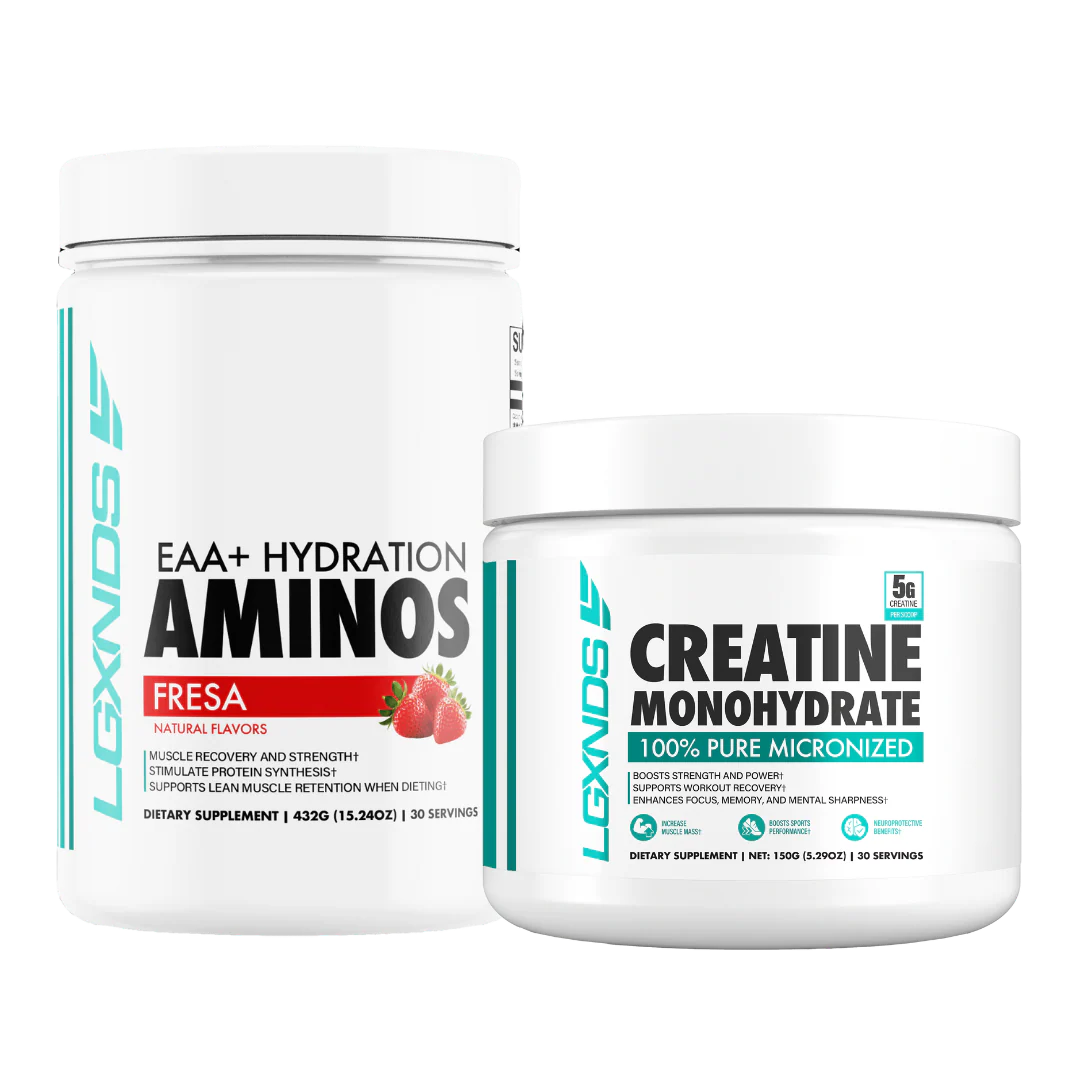
LGXNDS Creatine Monohydrate gives 5 grams of micronized creatine monohydrate per serving. The product page also lists no preservatives, gluten-free, vegan, non-GMO, unflavored, and easy-to-mix as product features.
This makes it a good example of what a clear label should do. One main active ingredient. Clear dose. Clear purpose.
Choose this kind of product when your goal is strength, power, and training output, and you want a supplement that does not bury the key ingredient inside a blend.
A Smart Bundle for Hard Training Days
Best training stack: LGXNDS Creatine + Aminos Bundle
For lifters, hybrid athletes, and people who train hard several days per week, the LGXNDS Creatine + Aminos Bundle makes sense as a simple performance and recovery stack. The bundle includes 5 grams of micronized creatine plus 8 grams of essential amino acids and a hydration matrix with Aquamin S and Calci-K.
This stack fits people who want strength support, recovery support, and hydration support in one routine. It also gives you a useful way to practice label reading: check the creatine dose, the EAA amount, the electrolyte blend, the serving size, and the directions before you buy.
Conclusion
Before you buy your next fitness product, turn the bottle around. Read the serving size. Check the dose. Look for clear ingredients. Question big claims. Compare products by what they actually give you, not by how loud the front label sounds.
Start with clear, dose-focused products like LGXNDS Creatine Monohydrate or the LGXNDS Creatine + Aminos Bundle, then build your stack around your real goal, your training plan, and your body’s needs.
FAQs
What is the first thing I should check on a supplement label?
Start with the serving size. It controls everything else on the label, including ingredient amounts, servings per container, caffeine intake, and cost per serving.
What should I look for on a supplement label before buying?
Look for serving size, active ingredients, amount per serving, other ingredients, warnings, allergens, expiration date, brand contact details, and quality testing.
Are proprietary blends bad?
Not always. But they give you less detail. A proprietary blend may show the total blend weight without showing the exact amount of each ingredient inside it. That makes comparison harder.
How do I know if a supplement is underdosed?
Check whether the label gives useful amounts of the main ingredients. If the product lists popular ingredients but hides amounts inside a blend or uses tiny doses, it may be underdosed.
Should I avoid supplements with “other ingredients”?
No. Many other ingredients help with mixing, taste, texture, or capsules. You should still read them, especially if you avoid certain sweeteners, colors, allergens, or animal-based ingredients.
Can supplements replace food?
No. NIH states that supplements can help with some nutrient needs, but they cannot replace the variety of foods that support a healthy eating routine.
Should I talk to a health professional before using supplements?
Yes, especially if you take medicine, manage a health condition, plan surgery, are pregnant, are nursing, or buy supplements for a child. NIH recommends telling health care providers about the supplements you take.
FAQs
 Recommended for this topicEssenti+ Vitamin Pack6-in-1 vitamin pack for whole-body wellness.$80.00Shop now
More on Health & Wellness
 Health & WellnessDigestive Enzymes for Athletes: How Better Digestion Leads to Better GainsYou buy the cleanest protein, hit your macros to the gram, and train harder than most people in the gym. Yet the bloat after a shake never quite...
 Health & WellnessWhy Athletes Need a Fiber Supplement (And What to Look for in a Complete Formula)Learn how fiber supports gut health, recovery, and weight management. Discover what athletes should look for in a complete fiber supplement.
 Health & WellnessDaily Supplement Routine for High PerformersBuild a daily supplement routine for high performers with a simple stack for energy, focus, training support, recovery, and smart timing.